This site is dedicated to book reviews of all genres.
ALA 2012 - Anaheim, California
NCTE/ALAN 2008-2011

Excellent plot, in-depth characters, outstanding execution

Good plot, likeable character, good execution

Average plot, cliche characters, average execution

Poor plot, boring characters, poorly executed

Save your time and read something else.
THE MARBURY LENS by Andrew Smith (5 STARS)
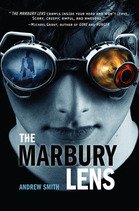
I have no idea how to summarize this novel, so I’m not even going to try. All I can say is that it’s kind of like Hannibal Lecter meets Vanilla Sky (2001). Andrew Smith described it to me as “acid on an acid trip.” I believe both references are adequate.
The Marbury Lens (2010) is one messed up, morbidly fascinating ride. Just like Jack was addicted to the glasses and his time in Marbury, I was addicted to this book and the interplay between both worlds. Smith’s unique twist on how people deal with trauma makes me wonder if we all have personal concepts of “reality” that are only known to us. For instance, there were several times that I wondered if Marbury was actually all in Jack’s head even though others could supposedly see it, too. Of course, Jack is an unreliable narrator, so I’m still not sure.
Although this was an intense read that I could not put down (I actually got irritated when people bothered me), this may not be for everyone. For instance, there is a significant amount of language, sexual acts, and violence throughout the entire novel. As a result, I would suggest this novel be reserved for mature readers who can place those elements in context.
The Marbury Lens (2010) is one messed up, morbidly fascinating ride. Just like Jack was addicted to the glasses and his time in Marbury, I was addicted to this book and the interplay between both worlds. Smith’s unique twist on how people deal with trauma makes me wonder if we all have personal concepts of “reality” that are only known to us. For instance, there were several times that I wondered if Marbury was actually all in Jack’s head even though others could supposedly see it, too. Of course, Jack is an unreliable narrator, so I’m still not sure.
Although this was an intense read that I could not put down (I actually got irritated when people bothered me), this may not be for everyone. For instance, there is a significant amount of language, sexual acts, and violence throughout the entire novel. As a result, I would suggest this novel be reserved for mature readers who can place those elements in context.
WHAT HAPPENS NEXT by Colleen Clayton (5 STARS)
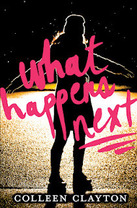
Sid Murphy has the perfect Christmas vacation planned. She’s going on a ski trip with her school’s Ski Club where she and her two bets friends will have several days to hang out, hit the slopes, and meet plenty of hot guys. Plans change, however, when she meets Dax Windsor, a charming college boy who only has eyes for her. On the last night of the trip, he invites Sid to a party at his place that’s sure to leave a lasting impression…just not a pleasant one.
Research says that people who face traumatic experiences usually resort to two dominant coping mechanisms: fight or flight. Sid Murphy is a fighter all of the way. But, even she isn’t invincible. As a result, the author effectively portrays a girl struggling to come to terms with what happened to her while pretending as if everything’s “fine” on the outside. In a way, she reminds me of Melinda from L.H. Anderson’s Speak (1999), only Sid’s reaction shows the opposite end of the spectrum. The fears that both characters exude are very real, which is why most sexual victims never speak up: We are a society that likes to blame the victims because it’s easier that way. This was evident in the way that Sid blamed her large breasts and curvaceous butt for enticing Dax in the first place. As a result, she turns the punishment inward and suffers in silence.
This is a book that needs to be on every secondary shelf. According to statistics, a woman gets raped every 2 minutes in the US alone. Chances are, one of them could be sitting in our classrooms. There is no reason anyone should suffer in silence.
ARC Courtesy of ALA 2012
Publication Date: October 2012
Research says that people who face traumatic experiences usually resort to two dominant coping mechanisms: fight or flight. Sid Murphy is a fighter all of the way. But, even she isn’t invincible. As a result, the author effectively portrays a girl struggling to come to terms with what happened to her while pretending as if everything’s “fine” on the outside. In a way, she reminds me of Melinda from L.H. Anderson’s Speak (1999), only Sid’s reaction shows the opposite end of the spectrum. The fears that both characters exude are very real, which is why most sexual victims never speak up: We are a society that likes to blame the victims because it’s easier that way. This was evident in the way that Sid blamed her large breasts and curvaceous butt for enticing Dax in the first place. As a result, she turns the punishment inward and suffers in silence.
This is a book that needs to be on every secondary shelf. According to statistics, a woman gets raped every 2 minutes in the US alone. Chances are, one of them could be sitting in our classrooms. There is no reason anyone should suffer in silence.
ARC Courtesy of ALA 2012
Publication Date: October 2012
THE PERKS OF BEING A WALLFLOWER by Stephen Chbosky (5 STARS)
“I don’t know if you ever felt like that. That you wanted to sleep for a thousand years. Or just not exist. Or just not be aware that you do exist.” – Charlie, p. 94
Charlie is a young man who prefers to live on the fringes of life until he meets Patrick and Sam, two seniors full of life and complexity. As they pull him into their fold of friends and personal dramas, Charlie realizes that there is more to life than watching from the sidelines.
I really have no idea what to say about this novel because it covers so much ground, which is why, I assume, that people love it so much. The lives of high school students are complex, crazy, and sometimes ugly. Through his letters to an unknown “friend,” the reader has a window into Charlie’s life. What makes this story so tragic, however, is that while Charlie is busy trying to mold himself into whatever he perceives people want at the time (Mary Elizabeth’s boyfriend, Patrick’s comfort buddy, Sam’s friend), the reader realizes it all stems from a secret that Charlie doesn’t even realize.
Charlie’s quirkiness was a little off-putting at times, and I got bored with several passages where he rambled too much. I caught myself skimming and muttering, “Get on with it already.” However, overall, Chbosky did a great job of being true to his characters –the voices of each one was authentic and their lives weren’t perfect. As each one deals with his or her personal demons, they learn the power of true friendship (and family) as well as the power of putting one foot in front of the other.
Charlie is a young man who prefers to live on the fringes of life until he meets Patrick and Sam, two seniors full of life and complexity. As they pull him into their fold of friends and personal dramas, Charlie realizes that there is more to life than watching from the sidelines.
I really have no idea what to say about this novel because it covers so much ground, which is why, I assume, that people love it so much. The lives of high school students are complex, crazy, and sometimes ugly. Through his letters to an unknown “friend,” the reader has a window into Charlie’s life. What makes this story so tragic, however, is that while Charlie is busy trying to mold himself into whatever he perceives people want at the time (Mary Elizabeth’s boyfriend, Patrick’s comfort buddy, Sam’s friend), the reader realizes it all stems from a secret that Charlie doesn’t even realize.
Charlie’s quirkiness was a little off-putting at times, and I got bored with several passages where he rambled too much. I caught myself skimming and muttering, “Get on with it already.” However, overall, Chbosky did a great job of being true to his characters –the voices of each one was authentic and their lives weren’t perfect. As each one deals with his or her personal demons, they learn the power of true friendship (and family) as well as the power of putting one foot in front of the other.
HOW TO SAVE A LIFE by Sara Zarr (4 STARS)
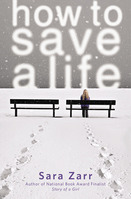
After the sudden death of her father, her rock, seventeen-year-old Jill is trying to cope the best way that she knows how – by unleashing her anger and self-loathing on everyone around her. During the ten months following the accident, Jill has managed to alienate her friends, her boyfriend, and her mother in a feeble attempt at self-preservation. While she is busy living in her downward spiral, her mother decides to fulfill a dream that she and her husband shared. She wants to adopt a child and give it a loving home. When Mandy, the “human incubator” arrives, Jill must learn that loss comes in many forms. While some people lose the ones they love, others lose things like innocence and security. As everyone awaits the baby’s arrival, their lives begin to intertwine and they learn that a little bit of kindness goes a long way.
Zarr has a very poignant writing style. Each of her characters has a distinct voice and personal perspective that adds to the depth of the story being told. This is a story about a lot of things. One of the main things is looking below the surface to see the core of something. While Jill hides behind anger, piercings, and dark eyeliner, Mandy hides behind her angelic looks and quiet compliance. They’re mirror images of each other, each suffering silently. However, although Mandy seems slow and ignorant, she’s honest with herself while Jill can’t quite seem to do the same.
**Spoilers**
Although I enjoyed this book, I was a little disappointed that everything worked out perfectly in the end. Even people who want to spread kindness to people who are less fortunate tend to experience some form of resistance. It was almost as if the mother was too perfect. She never seemed to get upset, and she was more than willing to comply with unreasonable demands (i.e. no adoption agreement, the father of the baby). Although I like novels to end on a hopeful note, I also like them to be realistic. Even the love triangle was quickly and pleasantly resolved, where no one got hurt and no one was upset.
But, still, despite the ending, I think that the overall message is important. People need to extend kindness. Every action has an equal or lesser reaction. Why not have that action be kindness? Who knows? Maybe it could save a life.
Zarr has a very poignant writing style. Each of her characters has a distinct voice and personal perspective that adds to the depth of the story being told. This is a story about a lot of things. One of the main things is looking below the surface to see the core of something. While Jill hides behind anger, piercings, and dark eyeliner, Mandy hides behind her angelic looks and quiet compliance. They’re mirror images of each other, each suffering silently. However, although Mandy seems slow and ignorant, she’s honest with herself while Jill can’t quite seem to do the same.
**Spoilers**
Although I enjoyed this book, I was a little disappointed that everything worked out perfectly in the end. Even people who want to spread kindness to people who are less fortunate tend to experience some form of resistance. It was almost as if the mother was too perfect. She never seemed to get upset, and she was more than willing to comply with unreasonable demands (i.e. no adoption agreement, the father of the baby). Although I like novels to end on a hopeful note, I also like them to be realistic. Even the love triangle was quickly and pleasantly resolved, where no one got hurt and no one was upset.
But, still, despite the ending, I think that the overall message is important. People need to extend kindness. Every action has an equal or lesser reaction. Why not have that action be kindness? Who knows? Maybe it could save a life.
GLIMPSE by Carol Lynch Williams (3.5 Stars)
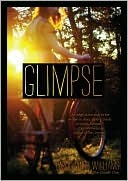
Hope is a twelve-year-old girl who walks in on her fourteen-year-old sister, Liz, holding a gun, and contemplating killing herself. When Lizzie is institutionalize, Momma goes off of the deep end, even more so than when Daddy died. As Hope unravels the mystery as to why Liz would want to kill herself, she realizes that her Momma has secrets that she’ll go to any lengths to keep buried.
The biggest distraction for me while reading this novel was the writing style. I have read Lynch-Williams’ The Chosen One (2009) and marveled at her beautiful, powerful, and poignant descriptive writing that draws the reader into the world of the novel and makes her connect so strongly with characters that she feels what they feel. Which is why this novel was a disappointment. I teach creative writing, and simply because someone can arrange a series of simple sentences into a poetic format does not make it good poetry. Not only that, but this format really took away from the “meat” of the story.
The story is told through Hope’s eyes as she flashes back and tries to remember things about her sister, Liz. Unfortunately, the content of the novel is so sparse that the reader never feels like she gets to know Liz at all. Instead of connecting to Liz like I did Kyra (The Chosen One, 2009), I simply felt sorry for her for having the mother than she did. While I spent days agonizing over the events that happened to Kyra, I closed Glimpse (2010), said to myself, “Man, that mom was really messed up,” and, then, picked up The Perks of Being s Wallflower (1999) to shake off my annoyance.
I like reading books in verse. Some of my favorites are by Ellen Hopkins and Stephanie Hemphill. I also know that it’s becoming the new “fad”in the writing world. Unfortunately, not everyone can execute it well. This book should have been in prose and it would have blown everyone away. Description is Carol Lynch Williams’ strength.
The biggest distraction for me while reading this novel was the writing style. I have read Lynch-Williams’ The Chosen One (2009) and marveled at her beautiful, powerful, and poignant descriptive writing that draws the reader into the world of the novel and makes her connect so strongly with characters that she feels what they feel. Which is why this novel was a disappointment. I teach creative writing, and simply because someone can arrange a series of simple sentences into a poetic format does not make it good poetry. Not only that, but this format really took away from the “meat” of the story.
The story is told through Hope’s eyes as she flashes back and tries to remember things about her sister, Liz. Unfortunately, the content of the novel is so sparse that the reader never feels like she gets to know Liz at all. Instead of connecting to Liz like I did Kyra (The Chosen One, 2009), I simply felt sorry for her for having the mother than she did. While I spent days agonizing over the events that happened to Kyra, I closed Glimpse (2010), said to myself, “Man, that mom was really messed up,” and, then, picked up The Perks of Being s Wallflower (1999) to shake off my annoyance.
I like reading books in verse. Some of my favorites are by Ellen Hopkins and Stephanie Hemphill. I also know that it’s becoming the new “fad”in the writing world. Unfortunately, not everyone can execute it well. This book should have been in prose and it would have blown everyone away. Description is Carol Lynch Williams’ strength.
AFTER by Amy Efaw (4 STARS)

Devon is the perfect kid: straight A student, team leader on the soccer field, and responsible daughter. So, what makes a girl like this hide a pregnancy, deliver IT on a dirty bathroom floor, and wrap IT in a garbage sack to make IT disappear?
The novel begins after the baby’s cries from the
dumpster attract the attention of a neighbor walking his dog in the early morning hours. The baby survives but a manhunt for the “coldhearted psycho” who placed her there leads to Devon. No one cares who Devon was
before she placed her baby in the dumpster. All they care about is after.
The ending to this novel salvaged the entire book for me. It wasn’t that I couldn’t empathize with Devon, or I felt like she should have been demonized for her actions. Many readers can’t get past what Devon did to realize the true message of the novel. For me, the plot seemed very stagnant and repetitive until the scenes with the hearing that decided whether or not she would be tried as an adult. Once this portion of the novel progressed, the plot
developed depth and Devon was humanized, allowing the reader to develop a connection. Until this point, she was a very two-dimensional character that the reader could care less what happened to her.
Efaw uses a nonjudgmental voice to present the story of a young girl who committed a
horrible crime. This novel shows readers that there are reasons behind actions. Maybe we don’t understand them, but that doesn’t invalidate them. Also, just because we can empathize with someone doesn’t mean that they shouldn’t be held accountable. Sometimes, however, we need to know what happened before, so that we know how to react after.
The novel begins after the baby’s cries from the
dumpster attract the attention of a neighbor walking his dog in the early morning hours. The baby survives but a manhunt for the “coldhearted psycho” who placed her there leads to Devon. No one cares who Devon was
before she placed her baby in the dumpster. All they care about is after.
The ending to this novel salvaged the entire book for me. It wasn’t that I couldn’t empathize with Devon, or I felt like she should have been demonized for her actions. Many readers can’t get past what Devon did to realize the true message of the novel. For me, the plot seemed very stagnant and repetitive until the scenes with the hearing that decided whether or not she would be tried as an adult. Once this portion of the novel progressed, the plot
developed depth and Devon was humanized, allowing the reader to develop a connection. Until this point, she was a very two-dimensional character that the reader could care less what happened to her.
Efaw uses a nonjudgmental voice to present the story of a young girl who committed a
horrible crime. This novel shows readers that there are reasons behind actions. Maybe we don’t understand them, but that doesn’t invalidate them. Also, just because we can empathize with someone doesn’t mean that they shouldn’t be held accountable. Sometimes, however, we need to know what happened before, so that we know how to react after.
DOUBLE HELIX by Nancy Werlin (3 STARS)
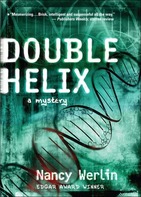
Eli Samuels lives each day on autopilot. His life hasn’t been the same since Huntington’s disease claimed his mother, and his father’s denial wears their already strained relationship paper-thin. The only person who offers him comfort is his girlfriend, but even she’s asking too many questions about things that Eli would rather keep to himself.
Part of being on autopilot is making no plans for the future, which is fine with Eli because his future is too bleak anyway. Instead of getting ready for college like the rest of his classmates, Eli seeks employment with Dr. Quincy Wyatt, a world-famous molecular biologist, who used to be friends with his mother. The first warning sign for Eli should have been Dr. Wyatt’s immediate job offer to a high school student with no training. The second warning sign should have been the unusual interest that Dr. Wyatt had in playing God.
For readers who are science-lovers, this will be a fun read because it goes into bio-ethics, cloning, and many other DNA hot topics. For people who want a quick-moving plot that is full of suspense, this will not be a fun read. The plot takes too long to build the background information for the mystery, and once it does, it uses the same cliffhanger of “How does he know my mom?”for 200 pages, which gets old very quickly. Also, when the author finally gets to the climax, she abruptly ends the story; it was almost like the author got tired of writing in the middle of the climax and threw in an epilogue. Such a poor ending made me feel cheated and like I wasted my time investing in this book.
Part of being on autopilot is making no plans for the future, which is fine with Eli because his future is too bleak anyway. Instead of getting ready for college like the rest of his classmates, Eli seeks employment with Dr. Quincy Wyatt, a world-famous molecular biologist, who used to be friends with his mother. The first warning sign for Eli should have been Dr. Wyatt’s immediate job offer to a high school student with no training. The second warning sign should have been the unusual interest that Dr. Wyatt had in playing God.
For readers who are science-lovers, this will be a fun read because it goes into bio-ethics, cloning, and many other DNA hot topics. For people who want a quick-moving plot that is full of suspense, this will not be a fun read. The plot takes too long to build the background information for the mystery, and once it does, it uses the same cliffhanger of “How does he know my mom?”for 200 pages, which gets old very quickly. Also, when the author finally gets to the climax, she abruptly ends the story; it was almost like the author got tired of writing in the middle of the climax and threw in an epilogue. Such a poor ending made me feel cheated and like I wasted my time investing in this book.
CHASING BROOKLYN by Lisa Schroeder (5 STARS)
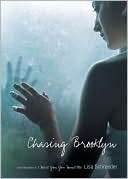
It’s been one year since Lucca’s death. One year since a horrible
accident changed Brooklyn’s life forever. As she continues trying to pick up the pieces after her boyfriend’s death, another tragedy strikes on the one year anniversary: Gabe, the driver of the car that killed Lucca, and Brooklyn’s friend, gives up on life. Unable to live with the guilt of surviving when he killed his friend, Gabe overdoses and ends his pain.
Nico is Lucca’s older brother. He gets to live in the house that feels the constant anguish of Lucca’s absence. Instead of turning to drugs or partying to deal with his sorrow, Nico runs. He runs to block out the world. He runs to block out his parents’ disappointment. He runs to block out the guilt he feels for being alive when his brother’s dead. He runs until…Lucca’s ghost gives him a mission: help Brooklyn.
Soon after Gabe’s death, Brooklyn begins having nightmares about him. She thinks they’re simply dreams until Gabe starts visiting her when she’s awake.
In this companion to I Heart You, You Haunt Me (2008), Schroeder explores the effects of survivor’s guilt. Each character in this novel is either directly or indirectly impacted by the death of Lucca and Gabe, and she shows that time knows no limits to sorrow. What makes this novel so effective is the fact that she addresses this issue from multiple perspectives (parents, siblings, friends, and boyfriend/girlfriends).
Although this novel is categorized as young adult, I truly believe that people of all ages could read it and glean meaning from its pages. If anyone has lived through loss, they can connect with the struggles of Brooklyn, Nico, and the parents. Depression is very real, and it’s usually gradual.
Each aspect of death has its own tragedy that people must work through. Just because people look “fine” doesn’t mean that they are. Sometimes, as a society, we don’t know what to say to people who are suffering, so we say nothing. Schroeder’s book shows us that, to make a positive impact, sometimes all we have to do is give someone a hug and ask, “How are you doing?” Then, Listen.
I love this book; it is heartfelt and simplistic in its depiction of loss. However, for readers who like more description, more drama, and aren’t poetry fans, they probably won’t find as much enjoyment from this one as I did. Still, I think that everyone should give it a try.
**This novel can stand-alone. The first one is good, too.
accident changed Brooklyn’s life forever. As she continues trying to pick up the pieces after her boyfriend’s death, another tragedy strikes on the one year anniversary: Gabe, the driver of the car that killed Lucca, and Brooklyn’s friend, gives up on life. Unable to live with the guilt of surviving when he killed his friend, Gabe overdoses and ends his pain.
Nico is Lucca’s older brother. He gets to live in the house that feels the constant anguish of Lucca’s absence. Instead of turning to drugs or partying to deal with his sorrow, Nico runs. He runs to block out the world. He runs to block out his parents’ disappointment. He runs to block out the guilt he feels for being alive when his brother’s dead. He runs until…Lucca’s ghost gives him a mission: help Brooklyn.
Soon after Gabe’s death, Brooklyn begins having nightmares about him. She thinks they’re simply dreams until Gabe starts visiting her when she’s awake.
In this companion to I Heart You, You Haunt Me (2008), Schroeder explores the effects of survivor’s guilt. Each character in this novel is either directly or indirectly impacted by the death of Lucca and Gabe, and she shows that time knows no limits to sorrow. What makes this novel so effective is the fact that she addresses this issue from multiple perspectives (parents, siblings, friends, and boyfriend/girlfriends).
Although this novel is categorized as young adult, I truly believe that people of all ages could read it and glean meaning from its pages. If anyone has lived through loss, they can connect with the struggles of Brooklyn, Nico, and the parents. Depression is very real, and it’s usually gradual.
Each aspect of death has its own tragedy that people must work through. Just because people look “fine” doesn’t mean that they are. Sometimes, as a society, we don’t know what to say to people who are suffering, so we say nothing. Schroeder’s book shows us that, to make a positive impact, sometimes all we have to do is give someone a hug and ask, “How are you doing?” Then, Listen.
I love this book; it is heartfelt and simplistic in its depiction of loss. However, for readers who like more description, more drama, and aren’t poetry fans, they probably won’t find as much enjoyment from this one as I did. Still, I think that everyone should give it a try.
**This novel can stand-alone. The first one is good, too.
UNWHOLLY by Neal Shusterman (4 STARS)
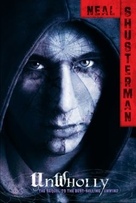
One year after Connor, Risa, and Lev escape Happy Jack Harvest
Camp, they find that their lives have greatly changed. Connor has replaced the Admiral as the commander of the Graveyard; Risa struggles with her place in Connor's heart as well as in the Graveyard; and Levi is under house arrest, ministering to wayward youth as part of his plea bargain.
Enter Subplot #1: Starkey is a storked teen whose parents decide to unwind him, but he escapes and finds himself in the Graveyard. Starkey is extremely similar to Roland (cunning, strong, power-hungry, etc.), and wants to take over Connor's job.
Enter Subplot #2: **SPOILER**Cam is the Frankenstein-like creature that Proactive Citizenry creates from multiple unwind parts. They want to create the "perfect" human from perfect human parts. To be successful in "humanizing" Cam to the general public, the group decides he needs to show that he can be loved. Unfortunately, Cam has set his eyes on Risa, and what Cam wants, Cam gets.
Enter Subplot #3: Nelson is the Juvi Cop who Connor tranqued with his own gun in UNWIND (2007). Through a series of internal monologues, the reader learns that since that day, Nelson's life has been a living hell. He was ridiculed by his peers to the point that he lost his job, his marriage, and his life as he knew it. As a result, he's made it his mission to catch AWOL Unwinds and sell
them to parts pirates (there is a black market for unwind organs). Guess who he blames for his downward spiral? Yep, Connor. Guess what his mission is throughout the book? Yep, to catch and kill Connor.
Enter Subplot #4: The Anti-Divisional Resistance is a group of activists who are openly anti-unwinding. They are supposed to provide the Graveyard with necessary provisions such as food, water, clothing, and sanitation so that Connor no longer has to send unwinds to fulfill work orders. The ADR also has a new mission: save tithes. The group poses as parts pirates as they attack vehicles transporting tithes, kidnap them, and work to deprogram them from being brainwashed. Guess who their poster child is? Yep, Levi.
Enter Subplot #5: Miracolina is a tithe who gets "rescued" from her harvest, and she's ticked. She has no desire to be saved, and she can't stand Levi. Because Levi sees a lot of himself in Miracolina's resistance to the truth, he decides that he's going to save her whether she wants him to or not.
Enter Subplot #6: **SPOILER**Trace is Connor's right-hand man, but he's playing both sides to the middle. Although he seems loyal to Connor, he's actually working for Proactive Citizenry and feeding them information about the Graveyard.
Enter Subplot #7: Proactive Citizenry owns everything and everyone (i.e. Juvie Cops, Government, Media, etc.) has a secret agenda that Connor and Trace are trying to crack. This group is the one pushing unwinding, and Connor wants to find out how to dismantle it and save lives.
There are more subplots, but I'm tired, and I need to get to my evaluation.
First of all, I love UNWIND (2007). It is my favorite book, and I teach it every semester in an effort to explore the value of human life, personal responsibility, and manipulation (government, religious,
and media). One of the things that makes UNWIND such an amazing read is that we get to know each of the characters as well as witness complex situations that they struggle to overcome. We fell in love with Connor, Risa, and Levi because the author helped us invest in them. This book, however, contains so much action and so little depth that the reader doesn't really connect with anyone. There are too many subplots and too little character development, which makes the storyline seem forced and disjointed.
Readers who enjoy a lot of action will gravitate to this book because it seems as though there is always something going on, but readers who want a book that’s similar to UNWIND will be disappointed. The only thing similar is the names of the characters.
ARC provided at IRA
Publication Date: 8/28/2012
Camp, they find that their lives have greatly changed. Connor has replaced the Admiral as the commander of the Graveyard; Risa struggles with her place in Connor's heart as well as in the Graveyard; and Levi is under house arrest, ministering to wayward youth as part of his plea bargain.
Enter Subplot #1: Starkey is a storked teen whose parents decide to unwind him, but he escapes and finds himself in the Graveyard. Starkey is extremely similar to Roland (cunning, strong, power-hungry, etc.), and wants to take over Connor's job.
Enter Subplot #2: **SPOILER**Cam is the Frankenstein-like creature that Proactive Citizenry creates from multiple unwind parts. They want to create the "perfect" human from perfect human parts. To be successful in "humanizing" Cam to the general public, the group decides he needs to show that he can be loved. Unfortunately, Cam has set his eyes on Risa, and what Cam wants, Cam gets.
Enter Subplot #3: Nelson is the Juvi Cop who Connor tranqued with his own gun in UNWIND (2007). Through a series of internal monologues, the reader learns that since that day, Nelson's life has been a living hell. He was ridiculed by his peers to the point that he lost his job, his marriage, and his life as he knew it. As a result, he's made it his mission to catch AWOL Unwinds and sell
them to parts pirates (there is a black market for unwind organs). Guess who he blames for his downward spiral? Yep, Connor. Guess what his mission is throughout the book? Yep, to catch and kill Connor.
Enter Subplot #4: The Anti-Divisional Resistance is a group of activists who are openly anti-unwinding. They are supposed to provide the Graveyard with necessary provisions such as food, water, clothing, and sanitation so that Connor no longer has to send unwinds to fulfill work orders. The ADR also has a new mission: save tithes. The group poses as parts pirates as they attack vehicles transporting tithes, kidnap them, and work to deprogram them from being brainwashed. Guess who their poster child is? Yep, Levi.
Enter Subplot #5: Miracolina is a tithe who gets "rescued" from her harvest, and she's ticked. She has no desire to be saved, and she can't stand Levi. Because Levi sees a lot of himself in Miracolina's resistance to the truth, he decides that he's going to save her whether she wants him to or not.
Enter Subplot #6: **SPOILER**Trace is Connor's right-hand man, but he's playing both sides to the middle. Although he seems loyal to Connor, he's actually working for Proactive Citizenry and feeding them information about the Graveyard.
Enter Subplot #7: Proactive Citizenry owns everything and everyone (i.e. Juvie Cops, Government, Media, etc.) has a secret agenda that Connor and Trace are trying to crack. This group is the one pushing unwinding, and Connor wants to find out how to dismantle it and save lives.
There are more subplots, but I'm tired, and I need to get to my evaluation.
First of all, I love UNWIND (2007). It is my favorite book, and I teach it every semester in an effort to explore the value of human life, personal responsibility, and manipulation (government, religious,
and media). One of the things that makes UNWIND such an amazing read is that we get to know each of the characters as well as witness complex situations that they struggle to overcome. We fell in love with Connor, Risa, and Levi because the author helped us invest in them. This book, however, contains so much action and so little depth that the reader doesn't really connect with anyone. There are too many subplots and too little character development, which makes the storyline seem forced and disjointed.
Readers who enjoy a lot of action will gravitate to this book because it seems as though there is always something going on, but readers who want a book that’s similar to UNWIND will be disappointed. The only thing similar is the names of the characters.
ARC provided at IRA
Publication Date: 8/28/2012
INSIDE OUT AND BACK AGAIN by Thanhha Lai (5 STARS)
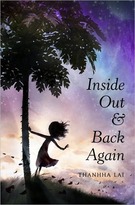
Há is a ten-year-old girl living in South Vietnam with her mother and older brothers when she and her family barely escape the fall of Saigon in 1975. As they board the ship to America, Há knows that she will never see her papyrus tree again, she will never see her friends again, and she will never see her MIA father again. As her family settles into its new life in Alabama, Há tells of the promise of democracy giving way to acts of racism as well as the kindness of a few overcoming the hatred of many.
Thanhha Lai weaves a simplistic, yet emotional, story that provides a new perspective for how the Vietnam War changed people's lives forever. Told in free-verse, the reading is fast-paced and easy to comprehend. My only complaint is that this young adult National Book Award winner, which is slated for 8-12 years old, is clearly children's literature. Although I enjoyed the storyline in the context of children's literature, the reading is too simplistic to be categorized as young adult literature. It makes me wonder if this novel was pushed into the NBA pool by cronyism. Decide for yourselves.
Thanhha Lai weaves a simplistic, yet emotional, story that provides a new perspective for how the Vietnam War changed people's lives forever. Told in free-verse, the reading is fast-paced and easy to comprehend. My only complaint is that this young adult National Book Award winner, which is slated for 8-12 years old, is clearly children's literature. Although I enjoyed the storyline in the context of children's literature, the reading is too simplistic to be categorized as young adult literature. It makes me wonder if this novel was pushed into the NBA pool by cronyism. Decide for yourselves.
THROUGH TO YOU by Emily Hainsworth (5 STARS)
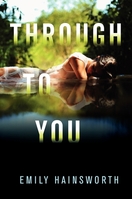
Every day is a challenge for Camden Pike because his girlfriend Viv was his entire world, but it's been two months since his life changed forever. Two months since the accident. Two months of maintaining her shrine. Two months without holding her.
While visiting the site of the accident one night, Camden notices an eerie green light and a girl on the other side calling his name. He
soon learns that the green light is a portal into a parallel world where
Viv is still alive. Determined to have her back, Camden ignores the fact that the Viv he lost in his world isn’t the Viv living in the other one. As the portal begins to shrink, secrets unfold and obsessions turn deadly.
Emily Hainsworth’s debut novel is a breath of fresh air. Through her portrayal of a grieving young man, she captures the realistic and complicated internal conflicts that he undergoes while dealing – or not dealing - with his girlfriend’s death. Hainsworth effectively makes Camden a flawed character who must work through multiple issues: his father’s abandonment of the family, his absent workaholic mother, his fall from grace as the football star, and his emotional instability. All of these issues lead to the guiding theme of this novel, which is “What if?” What if we’d chosen something different?
All of us are presented with choices, and based upon those choices, we follow a certain path. Camden is no different. What he discovers in the parallel world is that the same people exist, but their different choices led them to different futures. For instance, instead of giving up on football when his leg was shattered, the other Camden pushed himself to overcome the injury. As a
result, even though the “real”Camden’s initial goal for entering the other world was to reunite with Viv, he also realized the possibilities for what he could accomplish if he refused to give up. He had to realize that he possessed the strength within himself to do great things – without Viv.
Nina is the girl that Camden meets the first night that the green light appears. Although he doesn’t recognize her, she knows him from her world, and she serves as his guide – a conscience, almost – as he works through his love and loss of Viv, as well as his renewed discovery of her in the other world. Nina has secrets and she holds the key to Camden’s happiness, but she also wants him to
make the discoveries on his own.
The ending of this novel is so bittersweet that I’m STILL thinking about it. There are so many ways that I wanted it to go, but Hainsworth executed it so beautifully that there was only one way that it could end. I love, love, love this book, and I’ll probably reread it in the near future because I didn’t want it to end.
ARC Provided by HarperCollins Children’s Books
Publish Date: October 1, 2012
Add Comment
While visiting the site of the accident one night, Camden notices an eerie green light and a girl on the other side calling his name. He
soon learns that the green light is a portal into a parallel world where
Viv is still alive. Determined to have her back, Camden ignores the fact that the Viv he lost in his world isn’t the Viv living in the other one. As the portal begins to shrink, secrets unfold and obsessions turn deadly.
Emily Hainsworth’s debut novel is a breath of fresh air. Through her portrayal of a grieving young man, she captures the realistic and complicated internal conflicts that he undergoes while dealing – or not dealing - with his girlfriend’s death. Hainsworth effectively makes Camden a flawed character who must work through multiple issues: his father’s abandonment of the family, his absent workaholic mother, his fall from grace as the football star, and his emotional instability. All of these issues lead to the guiding theme of this novel, which is “What if?” What if we’d chosen something different?
All of us are presented with choices, and based upon those choices, we follow a certain path. Camden is no different. What he discovers in the parallel world is that the same people exist, but their different choices led them to different futures. For instance, instead of giving up on football when his leg was shattered, the other Camden pushed himself to overcome the injury. As a
result, even though the “real”Camden’s initial goal for entering the other world was to reunite with Viv, he also realized the possibilities for what he could accomplish if he refused to give up. He had to realize that he possessed the strength within himself to do great things – without Viv.
Nina is the girl that Camden meets the first night that the green light appears. Although he doesn’t recognize her, she knows him from her world, and she serves as his guide – a conscience, almost – as he works through his love and loss of Viv, as well as his renewed discovery of her in the other world. Nina has secrets and she holds the key to Camden’s happiness, but she also wants him to
make the discoveries on his own.
The ending of this novel is so bittersweet that I’m STILL thinking about it. There are so many ways that I wanted it to go, but Hainsworth executed it so beautifully that there was only one way that it could end. I love, love, love this book, and I’ll probably reread it in the near future because I didn’t want it to end.
ARC Provided by HarperCollins Children’s Books
Publish Date: October 1, 2012
Add Comment
I HUNT KILLERS by Barry Lyga (5 STARS)
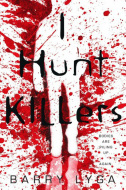
Jasper "Jazz" Dent is the son of the most notorious serial killer
of all time. While growing up, Dear Old Dad taught his son valuable lessons, such as how to clean blood stains, how to slice through skin, and how to think like a sociopath. Now, several years after his father's apprehension and conviction, Jazz is trying to lead a normal, teenage life in the same small, close-knit community that his father committed his final two murders. But, when women start getting murdered, and the killer is copying Billy Dent’s gruesome MO, Jazz is the only one schooled enough in the mind of a sociopath to help the police. The only problem is that Jazz isn’t sure that being around the victims won’t trigger his own need to kill.
For people who enjoy TV shows like Criminal Minds or CSI, this is an exceptional read. The novel doesn’t go into detail about the killings; instead, the plotline focuses on the inner workings of the mind of a killer. I know that several people were disappointed that there wasn’t more action and scenes with the murders taking place – they were always described after the fact – but with
this type of story, it really would have taken away from the psychological aspect.
There were a few times that Jazz’s constant whimpering about being destined to kill got old, but Lyga did a good job of using his spunky girlfriend Connie to call him out and voice what the reader was thinking: "Either put up, or shut up.” From that moment forward, Jazz became a stronger
character for me.
This novel alludes to multiple brutal killings and gives details about nailing bodies to a ceiling, vaginal and anal rape, and other forms of brutality. Because of this information, readers need to be mature.
I know that Mr. Lyga conducted research to add authenticity to his novel, and his painstaking efforts show. I thoroughly enjoyed this novel because I’m intrigued with how the mind works, and the mind of a sociopath is probably one of the most mysterious to explore. I will definitely check out the
sequel.
*ARC was provided at 2011 NCTE Conference
Book comes out in April 2012
of all time. While growing up, Dear Old Dad taught his son valuable lessons, such as how to clean blood stains, how to slice through skin, and how to think like a sociopath. Now, several years after his father's apprehension and conviction, Jazz is trying to lead a normal, teenage life in the same small, close-knit community that his father committed his final two murders. But, when women start getting murdered, and the killer is copying Billy Dent’s gruesome MO, Jazz is the only one schooled enough in the mind of a sociopath to help the police. The only problem is that Jazz isn’t sure that being around the victims won’t trigger his own need to kill.
For people who enjoy TV shows like Criminal Minds or CSI, this is an exceptional read. The novel doesn’t go into detail about the killings; instead, the plotline focuses on the inner workings of the mind of a killer. I know that several people were disappointed that there wasn’t more action and scenes with the murders taking place – they were always described after the fact – but with
this type of story, it really would have taken away from the psychological aspect.
There were a few times that Jazz’s constant whimpering about being destined to kill got old, but Lyga did a good job of using his spunky girlfriend Connie to call him out and voice what the reader was thinking: "Either put up, or shut up.” From that moment forward, Jazz became a stronger
character for me.
This novel alludes to multiple brutal killings and gives details about nailing bodies to a ceiling, vaginal and anal rape, and other forms of brutality. Because of this information, readers need to be mature.
I know that Mr. Lyga conducted research to add authenticity to his novel, and his painstaking efforts show. I thoroughly enjoyed this novel because I’m intrigued with how the mind works, and the mind of a sociopath is probably one of the most mysterious to explore. I will definitely check out the
sequel.
*ARC was provided at 2011 NCTE Conference
Book comes out in April 2012
Divergent by Veronica Roth (3.5 STARS)
DIVERGENT is a dystopian novel set in futuristic Chicago where there exist five factions: Abnegation (selflessness), Candor(honesty),Erudite (Intellect), Dauntless (bravery), and Amity (peace). When members of each faction reach sixteen years of age, they must participate in simulation tests that identify which faction each one belongs.
Beatrice Prior always knew that she didn't belong in Abnegation with her family; she's too selfish. But, she never imagined that her tests results would show that she didn't belong in any particular faction. Instead, Beatrice is divergent. And, being divergent in a society that relies on a strict code of conduct, means being a threat to power-hungry leaders; it means elimination. When everyone gathers for the choosing ceremony, Beatrice chooses Dauntless, and seeks to hide her true identity from those who want her dead. Once in the Dauntless compound, she renames herself Tris, and discovers that the line between friend and foe can be very thin.
***This Review Contains Spoilers*****
First, let me say that DIVERGENT is an entertaining read that goes very quickly. Roth does a really good job of character development, and the straightforward plot throws in a few surprises that are executed quite well. Having said that, this novel also falls into the trap of pretending to create a strong female character all the while grooming her to fall for a boy and start obsessing about him. Once the author introduces the love interest (which is extremely predictable), the story diminished in value because it gets distracted from the original plot.
My second frustration while reading was that only four factions were adequately introduced and integrated throughout the novel. The fifth (Amity) was ignored until the very end of the novel, and when it was mentioned, I had to go back to the beginning of the novel to remind myself what it was supposed to represent. I realize that book 2 will go into more detail about that faction since that's the one offering them asylum; however, it's poor writing technique to ignore a literary element for 400 pages. Again, most readers won't notice, but I felt like the story either needed to integrate Amity more effectively or leave it out completely. When it was reintroduced, it seemed awkward and inappropriate.
Another frustration was that too many events in this novel were predictable (i.e., Al's suicide, Tris's relationship with Four, Will and Christina's realtionship, Tris's mother being Dauntless, both parents dying at the end). I read a lot of dystopian literature; therefore, I know that a certain formula is followed when creating within this genre. However, I shouldn't be able to predict events 200 pages before they happen to the point where I set the book down and don't care whether or not I finish it, especially during its climax.
I really enjoyed how evil Peter was. I feel like he really added to the conflict in the novel, and the butter knife incident makes me rethink ticking people off. I just wish that his evilness didn't disappear once Tris hooked up with Four; I feel like that really hurt the flow and suspense of the novel. Also, the book read like it was written for the sole purpose of making it into a series. I realize that writers don't want to divulge all of their plot twists within the first book, but it also shouldn't seem formulaic.
And, the romance completely overpowered the plot once it was introduced. I don't mind a little love interest because everyone wants to see the quiet, invisible girl get the unattainable guy, but making out as soon as both parents die and an entire faction is almost wiped out is too much for me.
*****************************************************************************************************************
Overall, it was still an entertaining read. Even though I was disappointed in the ending (authors can't please everyone), I have a lot of friends who loved this novel; as a result, I wouldn't have a problem handing it to a student. But still, if you're looking for an excellent dystopian novel that appeals to boys and girls, I would always go with Neal Shusterman's UNWIND (2007). It's the one I keep going back to over and over again.
Beatrice Prior always knew that she didn't belong in Abnegation with her family; she's too selfish. But, she never imagined that her tests results would show that she didn't belong in any particular faction. Instead, Beatrice is divergent. And, being divergent in a society that relies on a strict code of conduct, means being a threat to power-hungry leaders; it means elimination. When everyone gathers for the choosing ceremony, Beatrice chooses Dauntless, and seeks to hide her true identity from those who want her dead. Once in the Dauntless compound, she renames herself Tris, and discovers that the line between friend and foe can be very thin.
***This Review Contains Spoilers*****
First, let me say that DIVERGENT is an entertaining read that goes very quickly. Roth does a really good job of character development, and the straightforward plot throws in a few surprises that are executed quite well. Having said that, this novel also falls into the trap of pretending to create a strong female character all the while grooming her to fall for a boy and start obsessing about him. Once the author introduces the love interest (which is extremely predictable), the story diminished in value because it gets distracted from the original plot.
My second frustration while reading was that only four factions were adequately introduced and integrated throughout the novel. The fifth (Amity) was ignored until the very end of the novel, and when it was mentioned, I had to go back to the beginning of the novel to remind myself what it was supposed to represent. I realize that book 2 will go into more detail about that faction since that's the one offering them asylum; however, it's poor writing technique to ignore a literary element for 400 pages. Again, most readers won't notice, but I felt like the story either needed to integrate Amity more effectively or leave it out completely. When it was reintroduced, it seemed awkward and inappropriate.
Another frustration was that too many events in this novel were predictable (i.e., Al's suicide, Tris's relationship with Four, Will and Christina's realtionship, Tris's mother being Dauntless, both parents dying at the end). I read a lot of dystopian literature; therefore, I know that a certain formula is followed when creating within this genre. However, I shouldn't be able to predict events 200 pages before they happen to the point where I set the book down and don't care whether or not I finish it, especially during its climax.
I really enjoyed how evil Peter was. I feel like he really added to the conflict in the novel, and the butter knife incident makes me rethink ticking people off. I just wish that his evilness didn't disappear once Tris hooked up with Four; I feel like that really hurt the flow and suspense of the novel. Also, the book read like it was written for the sole purpose of making it into a series. I realize that writers don't want to divulge all of their plot twists within the first book, but it also shouldn't seem formulaic.
And, the romance completely overpowered the plot once it was introduced. I don't mind a little love interest because everyone wants to see the quiet, invisible girl get the unattainable guy, but making out as soon as both parents die and an entire faction is almost wiped out is too much for me.
*****************************************************************************************************************
Overall, it was still an entertaining read. Even though I was disappointed in the ending (authors can't please everyone), I have a lot of friends who loved this novel; as a result, I wouldn't have a problem handing it to a student. But still, if you're looking for an excellent dystopian novel that appeals to boys and girls, I would always go with Neal Shusterman's UNWIND (2007). It's the one I keep going back to over and over again.
The Selection (Book #1) by Kiera Cass (2 STARS)
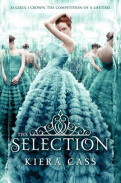
The only thing unique about this novel is the cover.
Set after the fourth world war, futuristic America, now known as Illea, has
implemented a monarchy that functions off of a very stringent caste system. Although people from different castes are allowed to marry, it is highly frowned upon since it means a demotion as well as harder living arrangements (i.e. less food and natural resources). But, none of this matters to America Singer, whose family makes its living through the arts and set at level five in the system. America is secretly in love with Aspen, a six, and impatiently awaits the day that they can be happily married.
Aspen and America's relationship seems to be going perfectly until the Selection occurs, a lottery designed to find a wife for Prince Maxon. When America's name is selected, her family is ecstatic; however, she has no desire to even meet the spoiled, entitled prince because she already has the man of her dreams. But, when Aspen suddenly breaks things off and tells her that they have no future, she decides that she owes it to her family and herself to participate in the games.
This story has been publicized as the Hunger Games meets ABC's television show "The Bachelor." Not even close. Although this is the first novel in a trilogy, there is little to no plot or
character development that keeps the reader interested. In addition, what little plot exists is so contrived and predictable that the reader is left bored even when there are rebel attacks, which are never really explained, on the palace and the girls' lives are supposedly in danger. Therefore, unlike the Hunger Games, there is little to no action, which causes the scenes to become
repetitive. A few times, America quarrels with Celeste, the mean girl of the
group, but even this is forced and expected. Overall, this novel is a poorly
written romance that masquerades as a dystopian novel.
Set after the fourth world war, futuristic America, now known as Illea, has
implemented a monarchy that functions off of a very stringent caste system. Although people from different castes are allowed to marry, it is highly frowned upon since it means a demotion as well as harder living arrangements (i.e. less food and natural resources). But, none of this matters to America Singer, whose family makes its living through the arts and set at level five in the system. America is secretly in love with Aspen, a six, and impatiently awaits the day that they can be happily married.
Aspen and America's relationship seems to be going perfectly until the Selection occurs, a lottery designed to find a wife for Prince Maxon. When America's name is selected, her family is ecstatic; however, she has no desire to even meet the spoiled, entitled prince because she already has the man of her dreams. But, when Aspen suddenly breaks things off and tells her that they have no future, she decides that she owes it to her family and herself to participate in the games.
This story has been publicized as the Hunger Games meets ABC's television show "The Bachelor." Not even close. Although this is the first novel in a trilogy, there is little to no plot or
character development that keeps the reader interested. In addition, what little plot exists is so contrived and predictable that the reader is left bored even when there are rebel attacks, which are never really explained, on the palace and the girls' lives are supposedly in danger. Therefore, unlike the Hunger Games, there is little to no action, which causes the scenes to become
repetitive. A few times, America quarrels with Celeste, the mean girl of the
group, but even this is forced and expected. Overall, this novel is a poorly
written romance that masquerades as a dystopian novel.
Beauty Queens by Libba Bray (3.5 STARS)
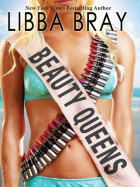
What happens when 50 Teen Dream beauty contestants' plane crashes, and a handful of survivors find themselves stranded on a deserted island with no food, no drinkable water, and no beauty products? Think Lord of the Flies meets Miss Congeniality. As the days tick by, and hope of rescue diminishes, the survivors begin to realize that there is more to them than being pretty. They learn that they are intelligent and resourceful, and that the Corporation has been feeding them an image that they readily accepted and perpetuated. It's not until some sexy pirates show up and mysterious men-in-black that the beauty contestants start to wonder if they're really alone on the island and if their perception of "reality" is being manipulated for evil purposes.
The best way that I can describe this novel is: too much. There were too many characters, too many subplots, too many underlying themes...just too much. In fact, even as I write this review, I can't remember all of the characters who survived the plane crash because there were too many. In fact, the author didn't even bother naming several of them: Miss Ohio, etc. As a result, their development was superficial along with the political message (gltbq, racism, abstinence, feminism) each represented. Granted, the dialogue was laugh-out-loud funny in several places, but it got old after 200 pages when the plot refused to move.
Basically, I was going to give this book 2 STARS after reading 250 pages because it became irritating and monotonous; however, if the reader can stick through the end, Bray does a good job of redeeming the storyline. This book would have been better with fewer characters who were better developed. In effect, by doing this, the themes of anti-Corporation would have been more effectively communicated and addressed.
The best way that I can describe this novel is: too much. There were too many characters, too many subplots, too many underlying themes...just too much. In fact, even as I write this review, I can't remember all of the characters who survived the plane crash because there were too many. In fact, the author didn't even bother naming several of them: Miss Ohio, etc. As a result, their development was superficial along with the political message (gltbq, racism, abstinence, feminism) each represented. Granted, the dialogue was laugh-out-loud funny in several places, but it got old after 200 pages when the plot refused to move.
Basically, I was going to give this book 2 STARS after reading 250 pages because it became irritating and monotonous; however, if the reader can stick through the end, Bray does a good job of redeeming the storyline. This book would have been better with fewer characters who were better developed. In effect, by doing this, the themes of anti-Corporation would have been more effectively communicated and addressed.
Everybody Sees the Ants by A.S. King (5 STARS)
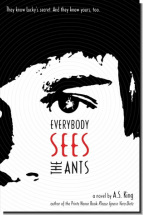
"Well, how many people do you think live perfect lives, son? Aren't we all victims of something at some time or another?" - Granddad Harry (p. 244)
Lucky Linderman lives a pretty dysfunctional life. He's grown up paying homage to a grandfather who never came home from Vietnam (MIA); he has an emotionally absentee father who's refuses to be a father because he's never gotten over the disappearance of his own; he has a mother who would rather swim laps than face her crumbling marriage; and he has Nader McMillan relentlessly bullying him. His father's solution is to "ignore it" while his mother quietly hopes that the bullying goes away. After Nader's latest assault that leaves Lucky's face mangled goes unpunished, and Lucky's father is moved to inaction, his mother's flight instincts kick in. She's taking him to Arizona to visit family and get away.
When Lucky and his mother arrive in AZ, he finally meets his Uncle Dave and his crazy, pill-popping Aunt Jodi. Things in AZ aren't too different from his life back home; his mother still swims laps, Lucky still dreams about his Granddad Harry, and his Aunt Jodi is convinced that Lucky is suicidal. While trying to dodge Aunt Jodi's helpful interventions to have him committed, he meets Ginny, a beautiful, hair model who suffers from demons of her own. The more that Lucky gets to know about her, and the others, the more he realizes that only he controls his destiny and Nader's days are numbered.
A.S. King takes the emotional struggle of bullying and empowers her charcter in a way that is believeable and triumphant. As she weaves the story of the missing grandfather throughout, the reader experiences all of the underlying issues that impact Lucky's ability to deal with Nader. I really liked how King doesn't sugar-coat everything. Instead, she shows that everyone has demons, but it's how we face them that has the greatest impact.
Lucky Linderman lives a pretty dysfunctional life. He's grown up paying homage to a grandfather who never came home from Vietnam (MIA); he has an emotionally absentee father who's refuses to be a father because he's never gotten over the disappearance of his own; he has a mother who would rather swim laps than face her crumbling marriage; and he has Nader McMillan relentlessly bullying him. His father's solution is to "ignore it" while his mother quietly hopes that the bullying goes away. After Nader's latest assault that leaves Lucky's face mangled goes unpunished, and Lucky's father is moved to inaction, his mother's flight instincts kick in. She's taking him to Arizona to visit family and get away.
When Lucky and his mother arrive in AZ, he finally meets his Uncle Dave and his crazy, pill-popping Aunt Jodi. Things in AZ aren't too different from his life back home; his mother still swims laps, Lucky still dreams about his Granddad Harry, and his Aunt Jodi is convinced that Lucky is suicidal. While trying to dodge Aunt Jodi's helpful interventions to have him committed, he meets Ginny, a beautiful, hair model who suffers from demons of her own. The more that Lucky gets to know about her, and the others, the more he realizes that only he controls his destiny and Nader's days are numbered.
A.S. King takes the emotional struggle of bullying and empowers her charcter in a way that is believeable and triumphant. As she weaves the story of the missing grandfather throughout, the reader experiences all of the underlying issues that impact Lucky's ability to deal with Nader. I really liked how King doesn't sugar-coat everything. Instead, she shows that everyone has demons, but it's how we face them that has the greatest impact.
CHIME by Franny Billingsley (2 STARS)
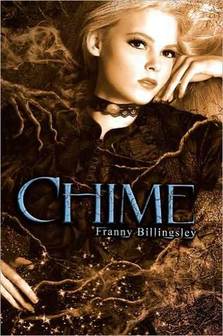
Briony Larkin has a secret. Stepmother warned her never to tell. Or, she would surely die. But, she can no longer keep the secret because the Boggy Mun is plaguing people with the swamp cough, and Rose, her twin sister, is its next victim. besides, Briony owes Rose her life. Afterall, she's indebted to Rose for what she did to her. It was her anger that summoned the wind that made Rose fall and hit her head, never becoming "quite right" after that. That's what evil girls do.
Briony Larkin is a witch with the second sight that allows her to see the Old Ones. Briony Larkin is also dangerous. She must keep her emotions under control so that she doesn't hurt others like she did Rose and her Stepmother. But, as Eldric Clayborne - the boyman who seems to see inside her soul - and she grow closer, she's finding it harder to control her emotions.
Since this novel was a National Book Award Finalist, I really wanted to like it. In fact, the entire time that I was reading, I kept searching for things that I could gush over. Unfortunately, I didn't find any. The basic premise of this novel was intriguing, but the execution was off. For instance, the storyline was difficult to follow in a lot of places because Briony (the narrator) would go on random tangents that reminded me of reading a Faulkner novel. The only problem is that the rambling usually had nothing to do with the point that she was trying to make. Instead of being a literary device, this became distracting and frustrating. In addition, for people who aren't familiari with folklore and mysticism, all of the Old Ones and their functions became confusing; it didn't help that most of their functions weren't adequately explained and differentiated.
I love folklore and mysticism, and I was really disappointed in this novel. I'm not sure if I'd built it up because of the CHIME/SHINE (Myracle, 2011) debacle, but it was a tedious read. I know that there will be others who love it, who will make me second-guess my judgement, but it's not one that I would recommend to others.
Briony Larkin is a witch with the second sight that allows her to see the Old Ones. Briony Larkin is also dangerous. She must keep her emotions under control so that she doesn't hurt others like she did Rose and her Stepmother. But, as Eldric Clayborne - the boyman who seems to see inside her soul - and she grow closer, she's finding it harder to control her emotions.
Since this novel was a National Book Award Finalist, I really wanted to like it. In fact, the entire time that I was reading, I kept searching for things that I could gush over. Unfortunately, I didn't find any. The basic premise of this novel was intriguing, but the execution was off. For instance, the storyline was difficult to follow in a lot of places because Briony (the narrator) would go on random tangents that reminded me of reading a Faulkner novel. The only problem is that the rambling usually had nothing to do with the point that she was trying to make. Instead of being a literary device, this became distracting and frustrating. In addition, for people who aren't familiari with folklore and mysticism, all of the Old Ones and their functions became confusing; it didn't help that most of their functions weren't adequately explained and differentiated.
I love folklore and mysticism, and I was really disappointed in this novel. I'm not sure if I'd built it up because of the CHIME/SHINE (Myracle, 2011) debacle, but it was a tedious read. I know that there will be others who love it, who will make me second-guess my judgement, but it's not one that I would recommend to others.
